Dear Valued Policyholders,
Recent heavy rainfall in St. Louis and the surrounding areas has led to significant flooding, posing risks to homes, businesses, and personal safety. At St. Louis Insurance Services, your safety and well-being are our top priorities. We want to ensure you’re informed about the dangers associated with high water levels and provide you with essential safety guidelines to protect you and your loved ones during these events.
Understanding the Risks of Flooding
Flooding can occur rapidly, especially during periods of intense rainfall. Areas near rivers, creeks, and streams are particularly vulnerable, but urban areas with poor drainage can also experience flash floods. It’s crucial to recognize that even a few inches of moving water can be dangerous, and flood conditions can change swiftly.
Safety Tips During High Water Events
-
Stay Informed: Regularly monitor local news outlets, weather stations, and official social media channels for updates on flood conditions. The Missouri State Emergency Management Agency (SEMA) provides timely information during such events. bs.stlouiscountymo.gov+5SEMA Missouri+5SEMA Missouri+5
-
Have an Emergency Plan: Develop a family emergency plan that includes evacuation routes, communication strategies, and a designated meeting place. Ensure all family members are familiar with the plan.SEMA Missouri
-
Assemble an Emergency Kit: Prepare a kit with essentials such as non-perishable food, water, flashlights, batteries, first-aid supplies, medications, and important documents. Include items for pets if applicable.
-
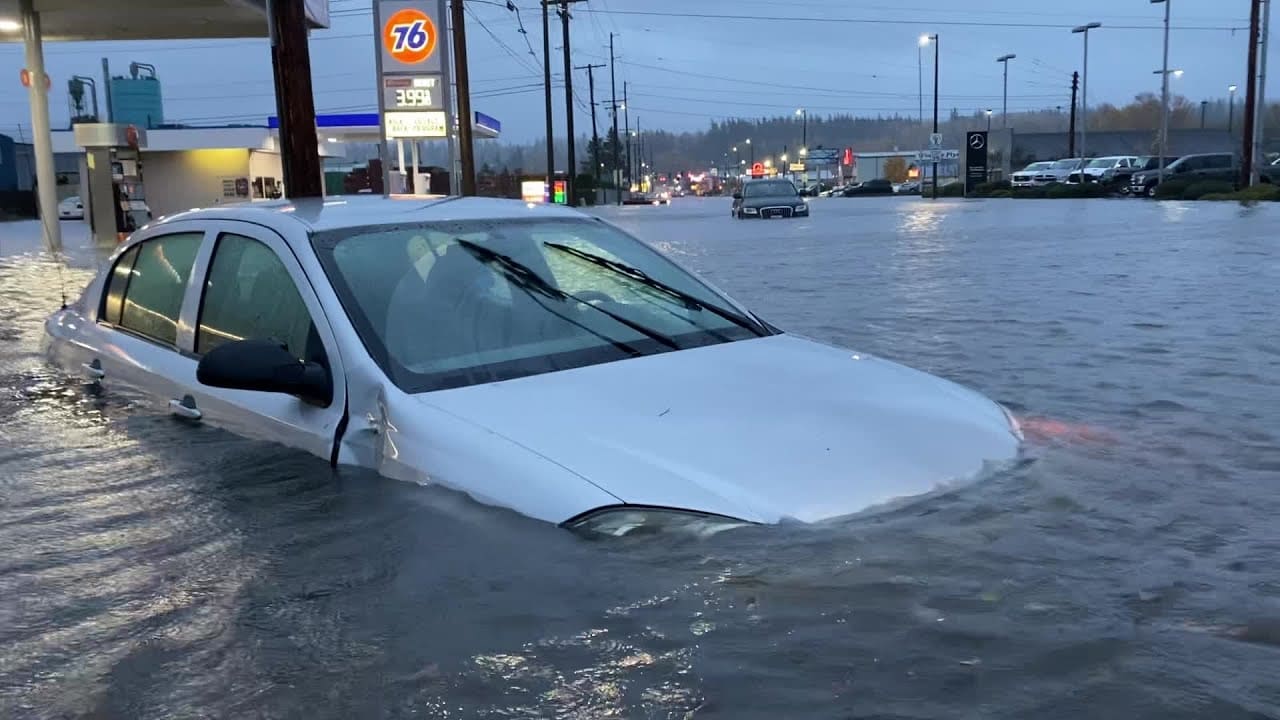
Avoid Walking or Driving Through Floodwaters: Just six inches of moving water can knock you down, and one foot of water can sweep away a vehicle. Never attempt to walk, swim, or drive through flooded areas. If you encounter a flooded roadway, turn around and find an alternative route.
-
Seek Higher Ground: If flooding is imminent or occurring, move to higher ground immediately. Avoid low-lying areas, valleys, or canyons that can quickly become inundated.SEMA Missouri
-
Follow Evacuation Orders: If local authorities issue evacuation orders, comply promptly. Delaying evacuation can trap you in dangerous conditions and hinder rescue efforts.
-
Avoid Contact with Floodwater: Floodwater can be contaminated with sewage, chemicals, and debris. Avoid contact to prevent illness or injury. If contact is unavoidable, wash thoroughly with soap and clean water as soon as possible. SEMA Missouri+2U.S. Fire Administration+2SEMA Missouri+2SEMA Missouri
Protecting Your Home
-
Elevate Utilities: Raise electrical panels, heating systems, and appliances above potential flood levels to prevent damage.Home
-
Install Check Valves: Use check valves to prevent floodwater from backing up into the drains of your home.
-
Waterproof Basement: Seal walls in basements with waterproofing compounds to prevent seepage.
-
Maintain Gutters and Drains: Keep gutters, downspouts, and drainage systems clear of debris to facilitate proper water flow away from your home.
After a Flood
-
Wait for Clearance: Do not return to your home until authorities have declared it safe to do so.
-
Inspect with Caution: Check for structural damage before entering. Be alert for gas leaks, electrical issues, and foundation cracks.
-
Document Damage: Photograph and document all damage for insurance claims. Contact St. Louis Insurance Services as soon as possible to report losses.
-
Clean Safely: Wear protective clothing, including gloves and masks, during cleanup. Dispose of contaminated items properly. For detailed guidance on post-flood cleanup, refer to resources provided by SEMA. SEMA Missouri+6SEMA Missouri+6St. Louis County Missouri+6
Additional Resources
-
National Flood Insurance Program (NFIP): Offers flood insurance to homeowners, renters, and business owners. Participating in this program can provide financial protection against flood-related losses. ig.stlouiscountymo.gov+1SEMA Missouri+1
-
Local Emergency Management: St. Louis County’s Emergency Management Agency provides local updates and resources during flood events.
Your safety is paramount. By staying informed, preparing adequately, and following these guidelines, you can reduce the risks associated with flooding. For more information on flood preparedness and safety, visit the Missouri State Emergency Management Agency’s website. SEMA Missouri
Stay safe and vigilant.
Sincerely,
St. Louis Insurance Services